

The Loneliness of Luxury
On building community no matter what city, season, or circumstance we're in.

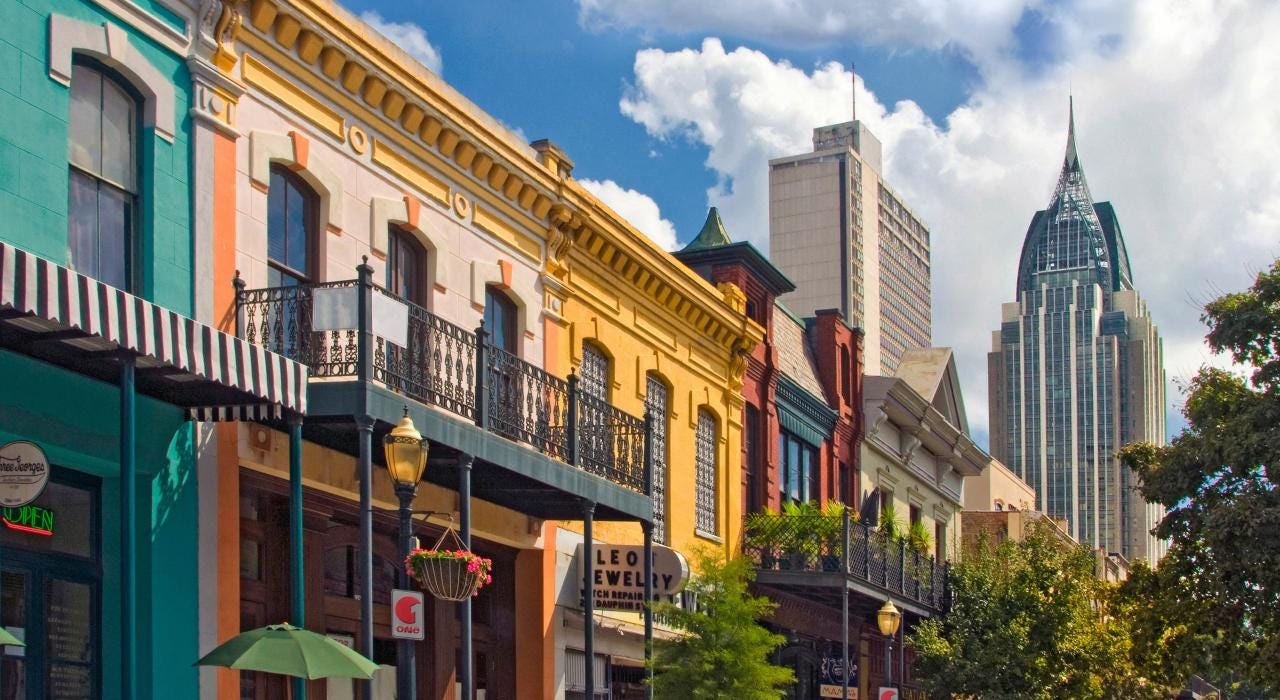
If you ask me where I’m from, I’ll flash a zealous smile and say, “Mobile, AL: the city that created Mardi Gras well before New Orleans!” Or, I might say it’s a coastal town that innately gave students permission to skip school for the beach.
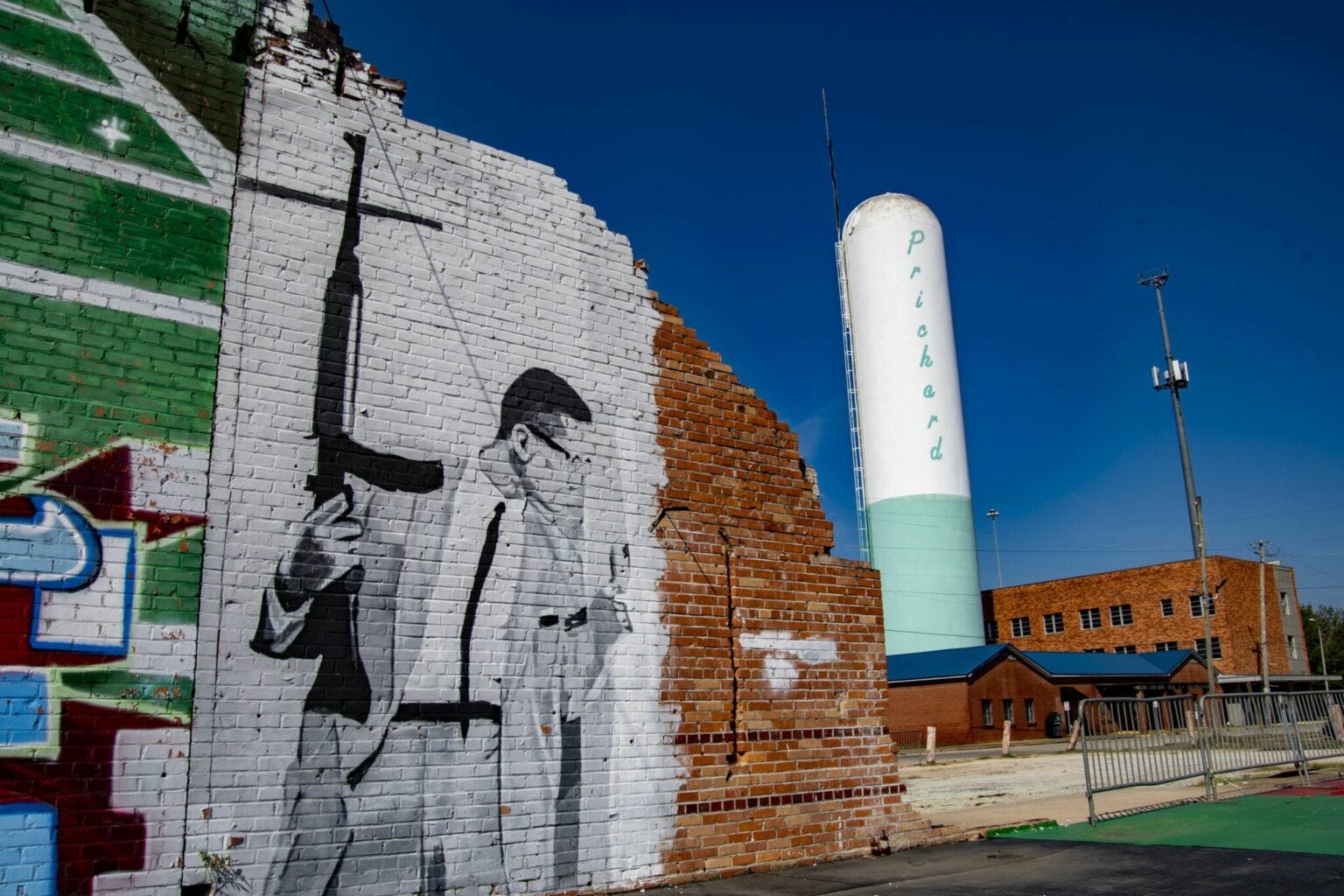
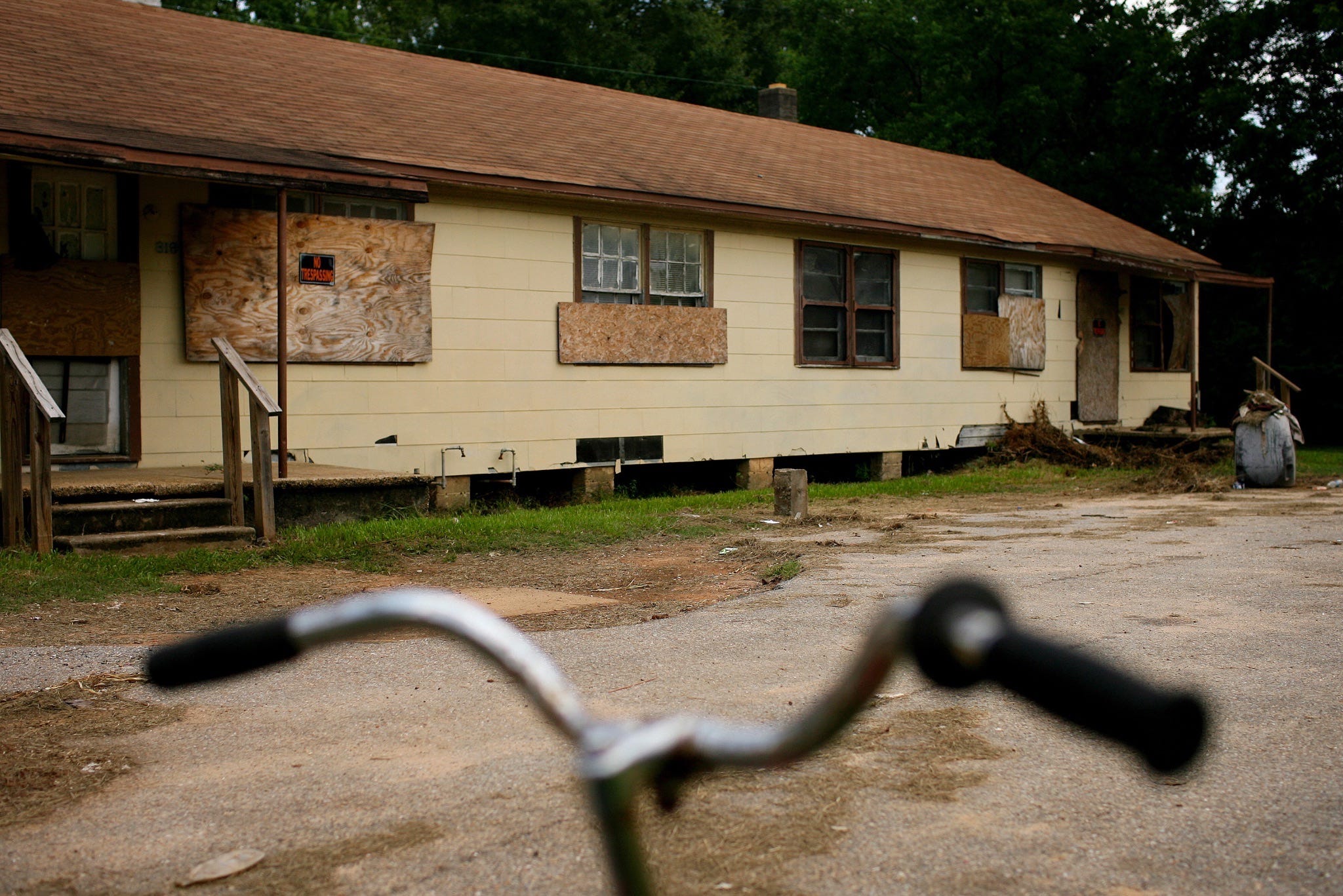
But if you ask me where I’m really from, I’ll tell you about Prichard, Alabama. The hood. Where Mama Tot’s son was found murdered. Where the sound of gunshots was the melody that put me to sleep. Where Rottweilers roamed like dingoes and drug addicts hunched over their walking sticks and—in my child’s mind—resembled South African lion handlers.
But despite the grit and the gunfire, Prichard was the place where I saw community and resilience on display for the first time. Families took in strays and cared for them like pedigrees; I myself put a bowl of milk out daily for kittens. It was a place where kids played outside all day until the streetlights came on. We’d walk to the candy lady’s house for frozen pickle juice cups and stop by the corner store on the way back for Hot Fries. And for fifteen minutes a day, our problems would melt away when we heard the jingle of the ice cream man’s truck.
One of my most potent memories from Prichard is a hot summer day made hotter by the smoke rising from the coal grill. The whole family was outside, hovering over my grandma’s husband as he cooked his famous beer-smothered ribs. Suddenly, our favorite neighborhood stray attacked our favorite neighborhood crackhead. Luckily, he was just a Chihuahua, and though he couldn’t maul her, he was vicious! It went down right in front of our house—I stared, trying to make sense of the cacophony of growls, curse words, and synced “Lord have mercy”s from onlookers.
Then, as if God snapped his fingers and said “stop”—there was silence. By the time Momma, my sister, Grammy, and I reached her, her leg was filled with tiny holes oozing blood. We tried incessantly to take her to the hospital. But in her state of euphoria, all she could do was fixate on those beer-smothered ribs in her peripheral vision.
“Can I have some?” she asked, nodding toward the grill.
And so we sat, laughing about nothing and everything as we washed and cleared her wounds while she munched on those pork ribs. “This,” I thought, “is what community is all about.”
Now, I live in an upscale, walkable neighborhood. Just this afternoon, I walked to a seafood restaurant where a chauffeur stood erect next to a Maybach, waiting for his boss to finish eating. Within a five-minute walk from our flat, I have everything I need: a gym, a stretch therapist, small markets, multiple coffee shops, and luxury retail stores I won’t dare go inside because I have no desire to spend a month’s income on a bag. But still, I am here, with everything I need—everything but community.
There are no candy ladies or crackheads, no Big Mamas or Junebugs. We walk to Dunkin’ Donuts and passersby don’t bother saying hi back. The only time I’ve had a real conversation with a neighbor was a few weeks ago when someone did a hit and run on the car my husband just purchased for me, and I asked everyone I came across if they knew anything… they didn’t.
On these lonely, luxurious walks, I find myself missing the hood. While living in Atlanta, during college, I paid $307 a month for a room in a four-bedroom house. It was a little less “hood” than Prichard, but still very much the hood. My mom called me every day to make sure I was “alive” and one of those worried calls was warranted because there had been a drive-by shooting and our house was taped off for evidence. Still, I loved that place.
Don’t get me wrong, my roommates and I left as soon as we could afford to. But there, we had an unspoken community. We looked out for each other. We collectively stood on our porches saying versions of “Oh my God” when a storm ripped our neighbor’s roof off. We turned down our music when we turned onto our street as if to say, “I respect you.” When packages were delivered to the wrong porch, they were returned (most times), and we could knock on each other’s doors to ask for sugar or milk or—like my neighbor did once—a single, raw chicken wing.
Today, as I think of Prichard and Atlanta, I’m realizing that community is less about location and more about mindset. In the hood, community wasn’t an option… it was a necessity, a survival tactic born out of shared struggle.
But here, behind these silent, expensive walls, independence has become a cage, and I’ve learned that if I can’t simply find a community that’s already built, I’ll have to create one from scratch.
I’m going to trade my solitude for the same “zealous grin” I give when I talk about Mobile. I’m going to make a habit of visiting the same coffee shop until the baristas know my name, and I’m going to finally host that book club at the French café on the corner. I’ll lead more conversation with my neighbors and refuse to let the silence of a “walkable neighborhood” keep us apart. Whether it’s sharing beer-smothered ribs with a stranger or a simple “hey girl!” to a passerby, I’m learning to romanticize my life—because community isn’t where you live; it’s how you show up for the people standing right in front of you.
Thanks for reading! I hope this inspired you to go out and cultivate your own version of community today.
HOMETOWN TOURIST is my storied life as a writer and traveler. I’m here to help you find magic in the mundane, romanticize your responsibilities, and finally build a life you love—no matter what city, circumstance, or season you find yourself in.
If you can swing it, please consider becoming a paid subscriber. I love writing for you, and your support ensures I can keep telling these stories consistently.
"...community isn’t where you live; it’s how you show up for the people standing right in front of you." Love this! So spot on. Definitely a needed challenge right now.
I went to college at South Alabama. Which still hold some of my favorite memories. Thanks for this walk down memory lane.